


Merino without myths. Why it works, where it comes from and why people trust it
Merino is one of those materials you grow to like very quickly. And even faster, you realise that it simply works. No matter the weather, intensity of movement or how long you wear it. This is no coincidence and not a marketing trick. Merino has a long journey behind it, from the vast pastures of Australia to finished garments you wear in the mountains and in everyday life. And that is exactly where its strength lies.
From wild pastures straight to your skin
The journey of merino wool begins far from cities, on the wide open pastures of Australia. Sheep live here in natural conditions, exposed to temperature changes, wind and drought. Their wool had to adapt to extremes that synthetic materials would struggle to handle. The wool we work with comes from verified producers within the Suedwolle Group and meets the Responsible Wool Standard (RWS) certification. This guarantees respect for animal welfare, land and the people involved in production. No cruel practices. No mulesing. Just a responsible approach from the very beginning.
RWS certification also tracks the entire supply chain, from the farm to the final product. Thanks to this, you can be sure that the merino you wear has a clear origin and an ethical background.
When wool becomes a functional material
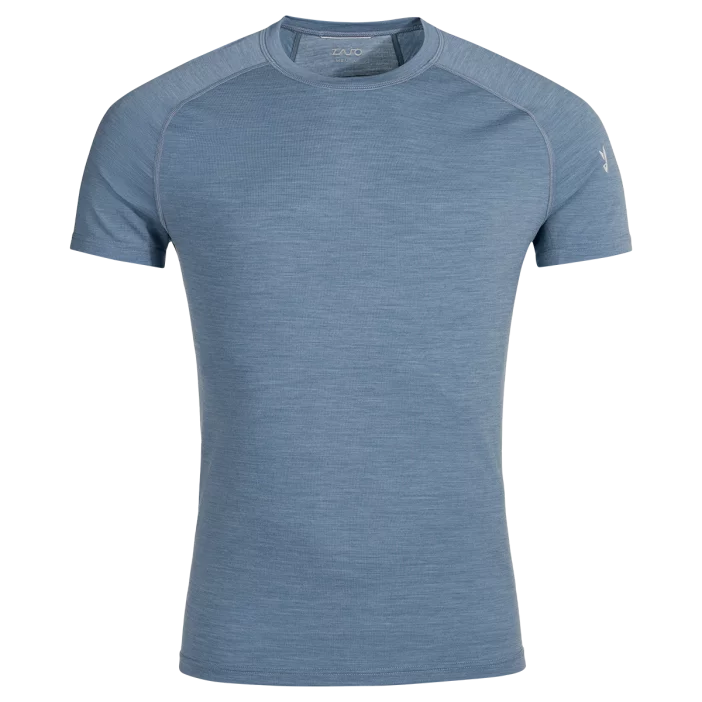
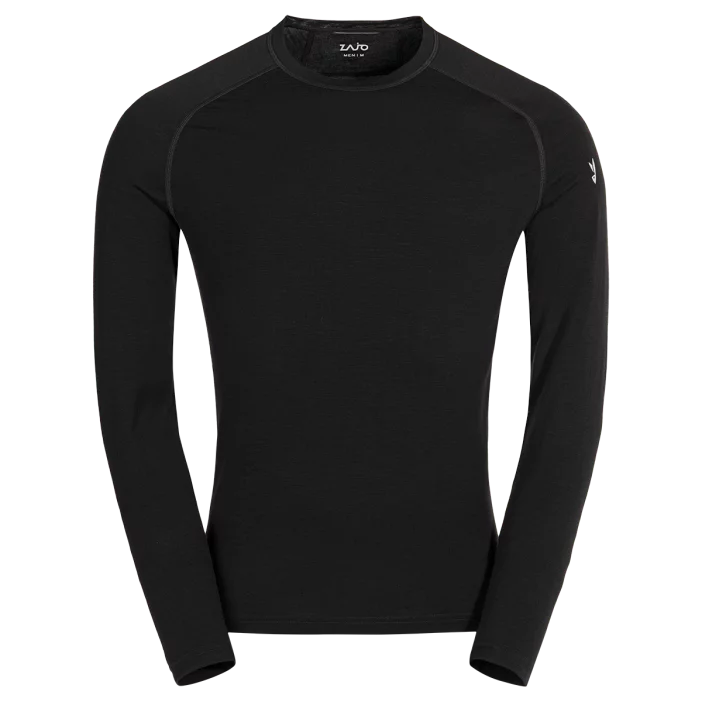
After shearing, the wool is cleaned, sorted by quality and spun into yarn. It is then processed into fabrics from which individual garments are made. This is the stage where it is decided how the material will perform on your body. In Senti products, we use nylon core technology. Fine merino fibres are wrapped around a durable synthetic core. This makes the material more resistant, extends its lifespan and simplifies maintenance, while preserving all the properties that make merino so popular. The result is Senti merino tops and bottoms that form a reliable base layer. You can use them for winter hiking, ski touring or everyday wear in the city. They move with you, do not restrict movement and keep you comfortable throughout the day.




Why merino regulates temperature better than synthetics
Merino fibres have a naturally crimped structure that traps air. This air acts as insulation. When it is cold, it helps retain heat. When you start moving, merino efficiently draws moisture away from the skin and supports evaporation.
“Merino is not about having a full wardrobe. Quite the opposite. It allows you to own fewer pieces that simply work better. Whether it is Senti merino tops and bottoms, the Kovri hoodie or simple accessories like a beanie and a scarf. They all share one thing. They do not create unnecessary fuss. They just work reliably. And that is exactly why people come back to merino. Not because of marketing, but because it lets them focus on movement, experiences and the day ahead,” says Juraj Králik, founder of the outdoor brand ZAJO.
Does merino really not feel cold
Merino can absorb up to 30 percent of its own weight in moisture without feeling wet. This is why it remains comfortable even during prolonged wear. These properties are especially valuable in garments you wear all day. Senti merino boxers provide comfort without chafing, retain their shape well and, thanks to their antibacterial properties, stay fresh even after a demanding day. They are discreet, but in practice extremely important.
Mid layers and accessories that make a difference
Merino is not just about underwear. The Kovri merino hoodie is an ideal mid layer you take along just in case. It keeps you warm in the morning, breathes during movement and helps retain heat during breaks. At the same time, it has a clean, casual look, so you can easily wear it outside the mountains as well. Details also play an important role. The Hejma merino beanie and Senti merino scarf protect areas where the most heat escapes, namely the head and neck. They are lightweight, packable and versatile. You will use them on hikes, while travelling and in the city. And like all merino pieces, they do not develop odour even after repeated wear.


So why does merino not smell
Merino has natural antibacterial properties that prevent the growth of odour causing bacteria. That is why airing it out is often enough before wearing it again. You will appreciate this on multi day treks or even after skiing, when you stop for a coffee at a petrol station. And do not forget, merino is also used for socks.
Caring for merino is easier than you think
Although it is a natural material, merino does not require complicated care. Most of the time, you do not need to wash it after every use. When it does need washing, just follow a few basic rules:
● wash at 30 to 40 °C
● use a regular detergent
● avoid fabric softeners and bleach
● do not tumble dry
Merino holds its shape very well, so you can dry it on a rack or laid flat. With proper care, it will keep its properties for years.
A material that lets you own less and enjoy more comfort
Merino is not about trends or seasons. It is about function and trust. When you wear Senti merino tops and bottoms, a Kovri hoodie or simple accessories like a beanie and scarf, you know you can focus on movement and experiences. Not on whether you are too cold or too warm. Merino works quietly in the background. And that is exactly why you will grow to love it. Once you try it, it will become your companion for hikes, travels and everyday life.
ZAJO. Outdoor to the People. Since 1996.


